
This is one of the most common questions we hear from international patients considering treatment in China:
“I have private health insurance. Will it cover my medical expenses in China?”
The answer is: possibly—but coverage should never be assumed.
Whether an international patient can receive reimbursement usually depends on four key factors:
 Whether China is included in the insurance coverage area
Whether the diagnosis and treatment are covered
Whether the selected hospital meets the insurer’s requirements
Whether pre-authorisation was obtained before treatment
For patients planning surgery, cancer treatment, paediatric care, rehabilitation, or other high-cost medical services in China, the most important step is not submitting a claim after treatment.
It is confirming coverage before travelling.
Travel Insurance vs International Health Insurance
Standard travel insurance usually covers unexpected illness, accidents, emergency treatment, and urgent hospitalisation during a trip.
However, if a patient has already been diagnosed and travels to China specifically for planned medical treatment, standard travel insurance may not cover the expenses.
International private medical insurance may offer broader cross-border coverage, but patients still need to confirm:
• Whether China is included in the policy
• Whether the condition is classified as pre-existing
• Whether planned treatment abroad is covered
• Whether the hospital is within the insurer’s network
• Whether a referral or pre-authorisation is required
• The deductible, co-payment, and annual benefit limits
Why Pre-Authorisation Matters
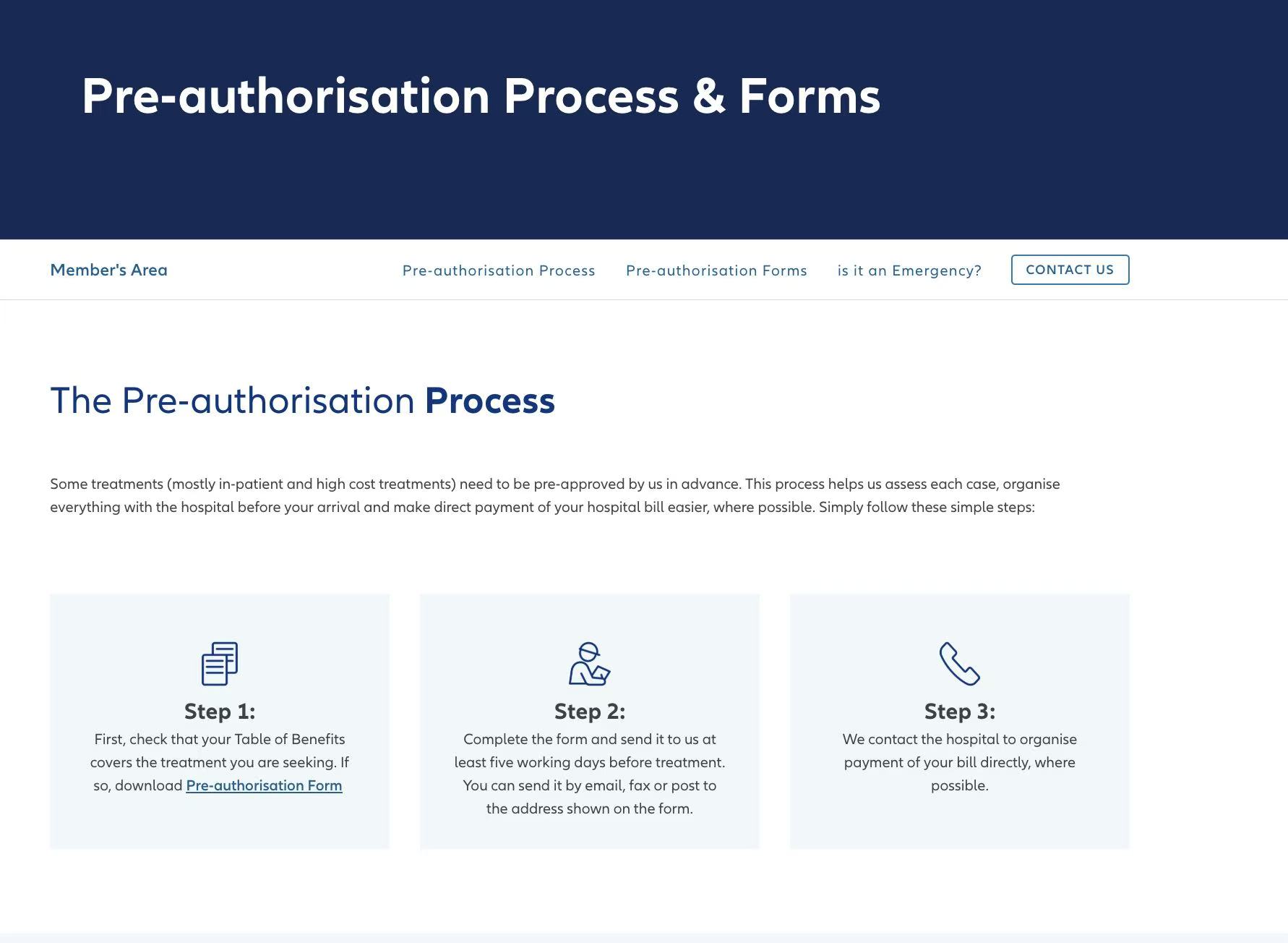
For hospital admission, surgery, high-cost medication, oncology treatment, or long-term rehabilitation, insurers often require advance approval.
Patients may need to submit:
• Passport and insurance details
• Previous medical records
• Diagnostic and imaging reports
• A proposed treatment plan from the Chinese hospital
• Estimated treatment duration
• Cost estimates
• Hospital contact information
The insurer will then assess which services are covered, the approved amount, and whether direct billing can be arranged.
Without pre-authorisation, a claim may be reduced or rejected—even when the treatment itself appears to be covered.
Two Common Payment Methods
1. Direct Billing
The insurer issues a Guarantee of Payment to the hospital, and approved medical expenses are settled directly.
Patients may still need to pay:
• Deductibles
• Co-payments
• Costs exceeding the approved limit
• Unauthorised treatments
• Translation, accommodation, transportation, and other non-medical expenses
Having an insurance card does not automatically mean direct billing is available. The arrangement must be confirmed between the insurer and the hospital.
2. Pay First, Claim Later
If direct billing is unavailable, the patient pays the hospital and submits a reimbursement claim afterward.
Patients should keep:
• Official medical invoices
• Itemised billing statements
• Diagnosis certificates
• Medical and discharge records
• Prescriptions and medication lists
• Laboratory and imaging reports
• Surgical or treatment records
• Payment receipts
• Pre-authorisation references
Names on invoices and medical documents should match the patient’s passport and insurance policy.
Common Reasons Claims Are Rejected
 No pre-authorisation
Using travel insurance for planned treatment
The condition is classified as pre-existing
The hospital is outside the insurer’s network
Treatment exceeds the approved scope
Incomplete invoices or medical documentation
A More Reliable Process
The safest approach is:
Confirm the policy
→ Obtain a treatment proposal and cost estimate
→ Apply for written pre-authorisation
→ Confirm direct billing or reimbursement
→ Receive treatment
→ Collect complete medical documentation
→ Submit and follow up on the claim
Ultimately, reimbursement decisions are made by the insurance provider according to the patient’s individual policy—not by the hospital.
At MedAccess China, we support international patients by helping organise medical records, coordinate with hospitals, obtain preliminary cost estimates, prepare bilingual documentation, and facilitate communication with relevant parties.
We provide coordination and patient-support services, but insurance approval must always come directly from the insurer.
For international patients considering medical treatment in China, early preparation can make the difference between a smooth claim and an unexpected financial burden.
Leave a Reply